
HIGHER GROUND: The Intelligence Our City Needs Now
By Kyle Ogden
In recent years, we have heard much about emotional intelligence and social intelligence. We have learned the value of self-awareness, empathy, collaboration, and communication. These capacities matter. They make us better colleagues, neighbors, and leaders.
But I have come to believe that Dallas—and our country—needs something deeper as well.
We need to recover and strengthen what might be called moral and spiritual intelligence.
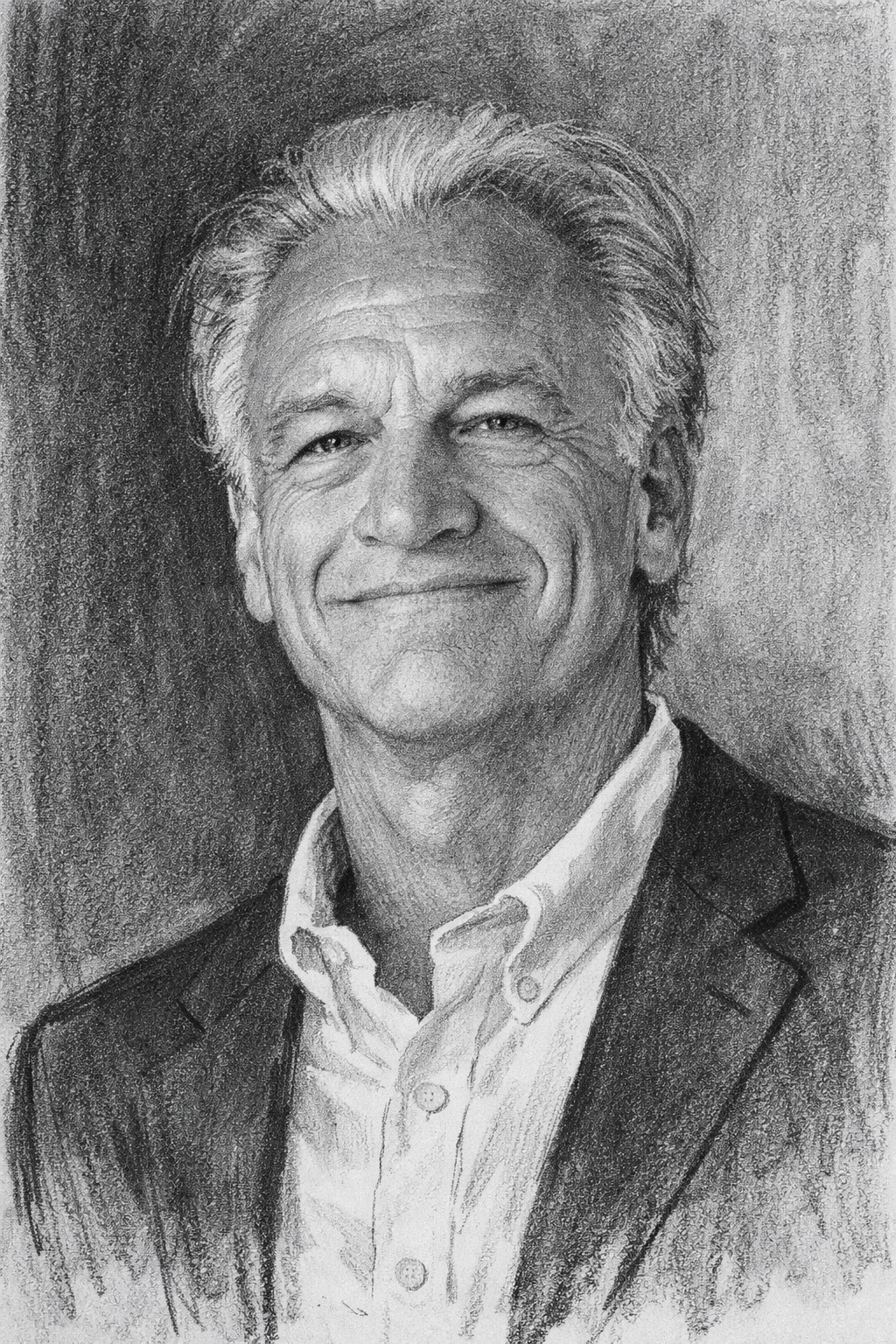
Recently, our friend Warren Holleman shared a reflection that resonated deeply with me. Drawing from his work in behavioral science, he noted that while emotional and social intelligence receive significant attention in research and leadership development, there should be equal focus on moral and spiritual intelligence. He expressed his excitement that Thanks-Giving Square is stepping into that very space.
I believe he is right.
Emotional intelligence helps us understand our feelings.
Social intelligence helps us navigate relationships.
But moral intelligence asks a more demanding question:
What is the right thing to do?
It calls us to integrity when compromise would be easier. It invites us to consider not only personal success, but the common good. It asks us to align our actions with enduring values—honesty, humility, responsibility, gratitude.
Spiritual intelligence goes even further. It asks:
What gives life meaning?
What sustains us in suffering?
What connects us beyond difference?
It does not require uniform belief. It requires depth. It requires the capacity to reflect, to listen, to seek transcendence in a world that constantly pulls us toward distraction.
When Thanks-Giving Square was envisioned decades ago, it was built not simply as a park or chapel, but as a civic sanctuary. Its founders believed gratitude could serve as common ground—an orienting principle that transcends ideology and unites people across faith traditions and backgrounds.
That vision feels particularly urgent today.
Dallas is a vibrant, growing city. It is entrepreneurial, creative, and ambitious. Yet like many urban centers, it also reflects the fractures of our broader culture—polarization, isolation, mistrust.
In that environment, the work of cultivating moral and spiritual intelligence is not abstract. It is civic work.
When a student visits the Chapel and sits in silence for the first time, something shifts. When a corporate team gathers on the Square to reflect on gratitude and shared purpose, something steadies. When interfaith leaders stand together and affirm a common commitment to human dignity, something strengthens.
These moments are not sentimental. They are formative.
At Thanks-Giving Square, we are exploring how gratitude functions not merely as an emotion, but as a discipline—a practice that shapes character. Gratitude reminds us that we are not self-made. It tempers entitlement. It softens cynicism. It encourages generosity.
In that sense, gratitude is an exercise in moral intelligence. It reorients the self toward responsibility and service.
At the same time, gratitude deepens spiritual intelligence. It opens us to wonder. It enlarges perspective. It connects daily life to something greater than achievement or status.
Our commitment at Thanks-Giving Square is to serve all of Dallas by nurturing this fuller spectrum of human intelligence—emotional, social, moral, and spiritual. We are not here to dictate beliefs. We are here to create space for reflection, dialogue, and shared aspiration.
In practical terms, that means thoughtful programming, meaningful conversations, and intentional convenings that invite people to consider how inner formation shapes public life. It means partnering with educators, civic leaders, and community organizations who recognize that flourishing cities require more than economic vitality—they require ethical grounding and spiritual depth.
Warren Holleman’s observation affirms what we are striving to do: give equal attention to the dimensions of intelligence that sustain a healthy society.
If Dallas is to flourish in the decades ahead, we must invest not only in infrastructure and innovation, but in character and conscience. We must cultivate citizens who are emotionally aware, socially skilled, morally grounded, and spiritually oriented.
Thanks-Giving Square stands as a visible reminder that gratitude can anchor that work.
In a restless age, we offer a steady place.
In a divided time, we offer common ground.
In a distracted culture, we invite reflection.
This is not ancillary to civic life. It is essential to it.
And it is work worth doing—together.