
THE NEXT 50 YEARS: What July 4 Likely Meant to Visionary Square Founder Peter Stewart
By Kyle Ogden
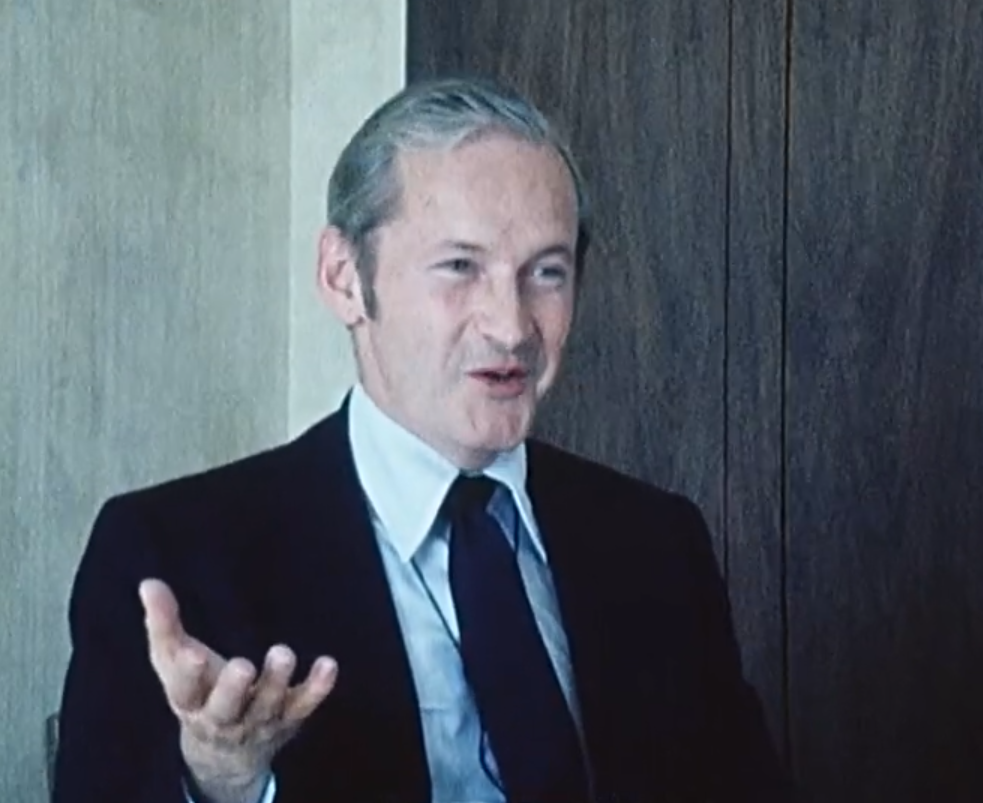
In 1976, America celebrated its 200th birthday.
Across the country there were parades, speeches, fireworks, and patriotic pageantry. In Dallas, Peter Stewart was helping complete something different: a place devoted not to power, victory, or even independence, but gratitude.
That distinction mattered to him.
Stewart had spent more than a decade pursuing an idea that many considered improbable: Could thanksgiving become the center of an American city? Could a public square dedicated to gratitude become part of the civic life of a nation? Those questions guided the creation of Thanks-Giving Square and ultimately shaped its opening during the Bicentennial era.
For Stewart, freedom was not the destination. It was the opportunity.
America's founders had secured independence. The next challenge was deciding what kind of people that freedom would produce. Stewart believed cities revealed their values through what they placed at their center. If a city's aspiration should be visible at its center, he argued, then gratitude belonged there.
The idea was especially meaningful in Dallas.
The city was still living in the shadow of November 22, 1963. According to the Foundation's own history, Stewart and his fellow founders imagined Thanks-Giving Square as part of a "new vision of Dallas" following the trauma of President Kennedy's assassination. Rather than define itself by tragedy, the city could become known for something constructive: a public expression of thanksgiving, reflection, and hope.
Stewart was not interested in creating a monument to one faith, one ideology, or one political party. His vision was larger and more ambitious. He wanted a place where people of different traditions could recognize themselves in a common human experience. Gratitude, he believed, was a language older than politics and broader than religion.
That conviction shaped everything from the architecture to the symbolism. The visitor's journey through the Square was conceived as a pilgrimage. Water, pathways, art, bells, and the soaring Glory Window were designed to lift the eye and the imagination toward something beyond the self.
Which is why July 4 likely carried a deeper meaning for Stewart than fireworks alone.
Independence Day celebrates what Americans gained. Thanks-Giving Square asks what Americans should do with it.
The Declaration of Independence answers the question, "Are we free?"
Stewart spent much of his life asking the companion question:
"Now that we are free, what kind of human beings will we become?"